Building Universes from Code: When Humans Shape the System
Series: When Humans Touch the System - Part 1

In the natural world, structure emerges from countless individual actions.
Snowflakes fall, grains of sand settle, rivers carve paths - none of them coordinated, yet together they shape landscapes that endure.
User-created data works in much the same way.
Every click, entry, upload, or choice a person makes feeds into a system. Each one feels small, harmless, obvious. But taken together, they form the terrain your software must live on.
And here lies the challenge.
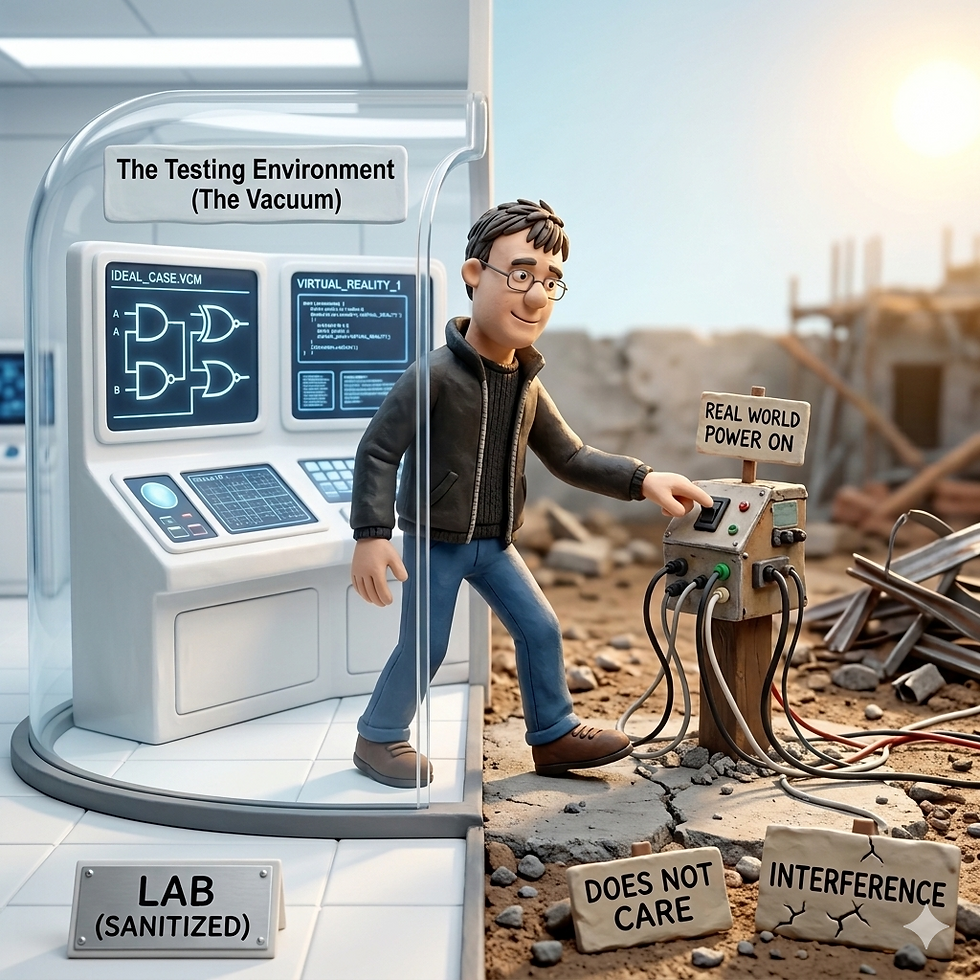
Humans do not think in schemas.
They do not read data models.
They act with intent, assumption, haste, creativity, and sometimes confusion.
They enter dates as words. Numbers as symbols. Meaning where structure was expected. From their perspective, nothing is wrong - they are simply expressing themselves. But for a system built on order, ambiguity is destabilising.
Input validation is how we translate between these worlds. It is the quiet agreement that allows human expression to become structured, dependable information. Without it, systems don’t usually fail loudly - they drift. Errors surface later. Trust erodes slowly.
Validation is not about restriction.
It is about respect - for the user, and for the world the system is trying to maintain.
Where have you seen user input quietly undermine an otherwise solid system?
What was the earliest warning sign you missed?
Continue the Journey
This post is the first entry in this week's three-part exploration of 'When Humans Touch the System'.
Coming Next:
Curious what it feels like to build your own game?
Join our beta program and start your world!


Comments